Introduction
In this blog, we’ll break down both approaches in simple terms, explain how they impact your electrical infrastructure, and show why intelligent load management is becoming the industry standard for multi-family, retail, and fleet properties.
What is Unmanaged Charging?
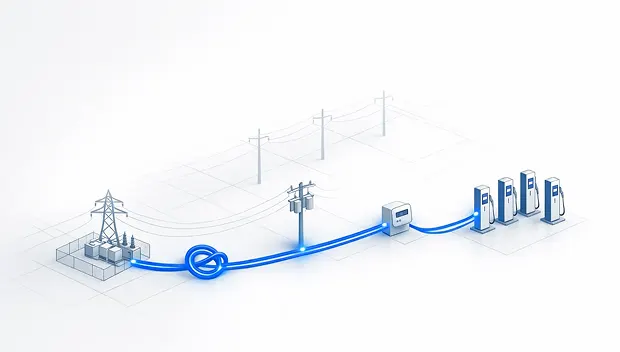
Unmanaged charging means EVs pull full power the moment they are plugged in, with no coordination, prioritization, or control.
What This Looks Like on a Property
- Every charger draws maximum power at once
- No visibility into usage patterns
- No way to throttle or balance load
- High likelihood of coincidental peaks – when many drivers plug in at the same time
- Requires larger electrical capacity, often triggering costly service upgrades
Why It’s a Problem
- Sudden power spikes increase demand charges
- Panels or transformers can overload
- Limited number of chargers can be installed before capacity is reached
- High operational and long-term infrastructure costs
Unmanaged charging can force properties into $25,000–$100,000+ electrical upgrades, even when only a few chargers are added.
What is Managed Charging?
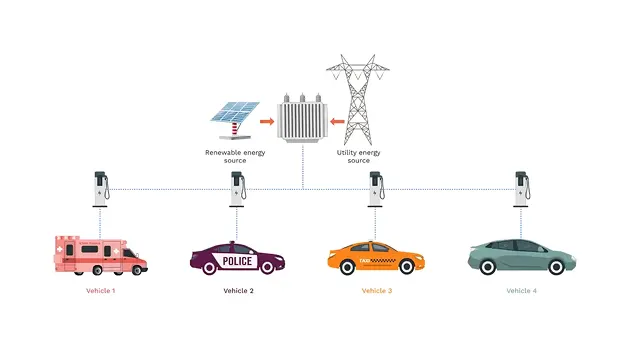
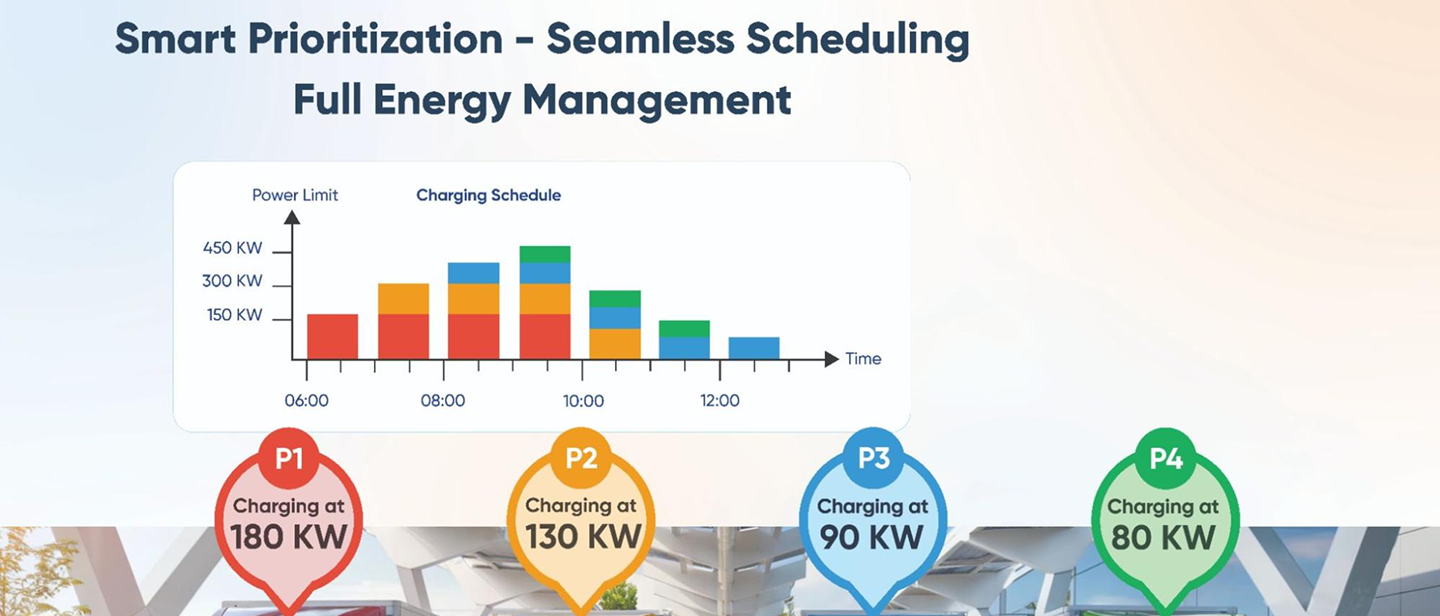
Managed charging uses intelligent software to control charging speeds, distribute power, and optimize energy use across all EV chargers on a property.
This includes features like
- Dynamic load balancing
- Peak shaving / demand charge reduction
- Scheduled charging
- Driver prioritization and rules
- Real-time monitoring and controls
With unmanaged charging, a 100-amp electrical capacity typically supports only 3-4 Level 2 chargers before exceeding safe limits. With managed charging, that same 100-amp capacity can support 6–8 chargers by intelligently allocating power based on real-time usage and long overnight dwell times common in multi-family buildings.
How Managed Charging Works
Instead of every charger pulling full power, the system:
- Looks at the building’s available electrical capacity
- Adjusts charging speeds across stations
- Prevents spikes that trigger demand charges
- Ensures all vehicles get the energy they need
- Maximizes charger availability without panel upgrades
Benefits for Property Owners
- Avoids or deferts major utility upgrades
- Lowers operating costs (energy + demand)
- Prevents peak power spikes
- Provides visibility into usage and revenue
- Allows more chargers to be deployed on the same electrical service
- Leads to happier EV drivers and improved occupation/retention
Managed charging helps properties reduce peak electricity demand, which can make them eligible for certain utility rebates or incentive programs.
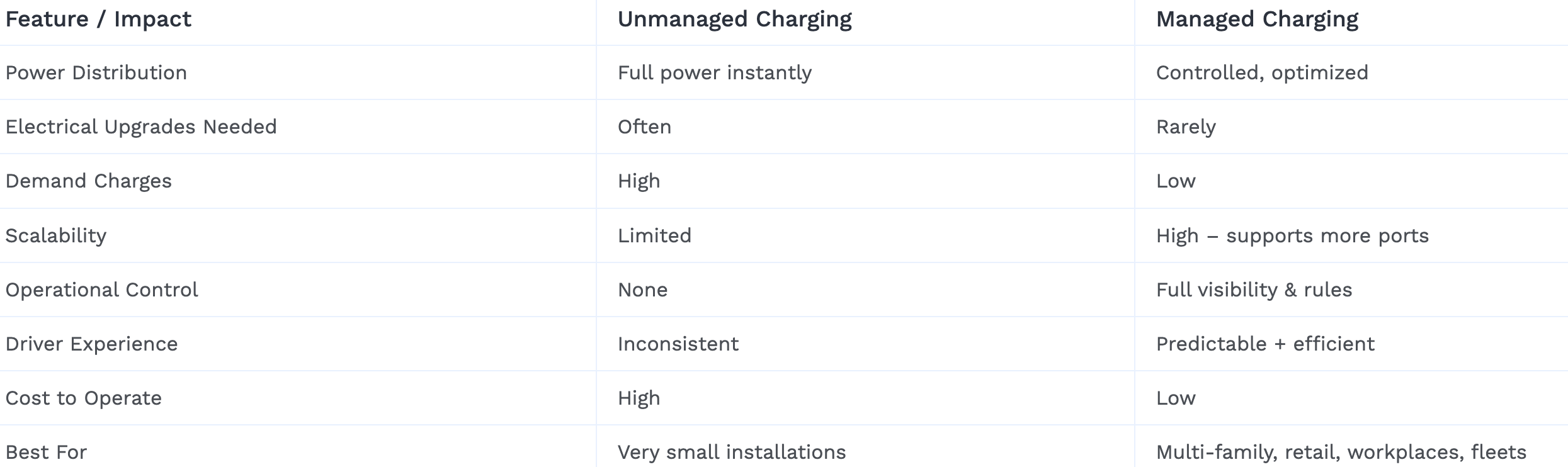
Unmanaged vs. Managed Charging: A Side-by-Side Comparison
Real-World Example: The 100-Unit Apartment Building
Scenario
A property installs 10 chargers without load management. At 6 P.M., drivers come home from work and plug in:
- All 10 chargers draw full power at the same time
- Peak load skyrockets
- Utility demand chargers spike
- Property must restrict usage or face expensive upgrades
With Managed Charging:
- System balances out the load
- Caps max power draw to avoid overages
- Allocates charging based on availability, usage patterns, and rules
- Keeps drivers happy while keeping costs predictable
These benefits are especially valuable in multi-family settings where residents plug in around the same time each evening.
Conclusion
Choosing between unmanaged and managed charging isn’t just a technical decision, it’s a financial one. Managed charging gives property owners a cost-effective way to scale EV charging, avoid utility upgrades, and improve driver experience.
Platforms like DynaChrg EVES charging management platform make it possible to deploy multiple chargers quickly using existing electrical capacity, without delays or costly infrastructure work.
If you’re planning a project or considering upgrades, DynaChrg’s intelligent load management platform provides a simple, reliable, and scalable way to deploy EV charging without added complexity.