DDEC: Intelligent Energy for a Sustainable Future

Distributed Dynamic Energy Charging (DDEC) intelligently manages EV power in real time, reducing peak demand, stabilizing the grid, and lowering energy costs across your charging network - running inside Gridify as part of the EVES platform.
Talk to an Expert

Reduce Peak Demand

Enhance Grid Stability

Lower Energy Costs

Manage Energy Dynamically, Like Never Before

With EV demand expected to rise 40% by 2030, power grids face risks of overload, higher costs, and strain. DDEC, integrated with EVES Charging Management Software, intelligently balances and shifts energy loads using advanced algorithms.
By leveraging real-time data, predictive analytics, and smart scheduling, DDEC optimizes electricity usage, enhances grid stability, and reduces costs - keeping every EV charging site cost-aware and revenue-ready.
Rising Demand

EV adoption is set to grow 40% by 2030.

Real-Time Analytics

Uses real-time data and predictive analytics.

Smart Energy

Optimizes charging to ease grid strain.

Cost Savings

Lowers energy costs through intelligent load management.

Discover How DDEC Enhances Your Energy Management

DDEC employs several key techniques to optimize energy use, ensure grid stability and save costs. Explore these techniques to see how DDEC works:
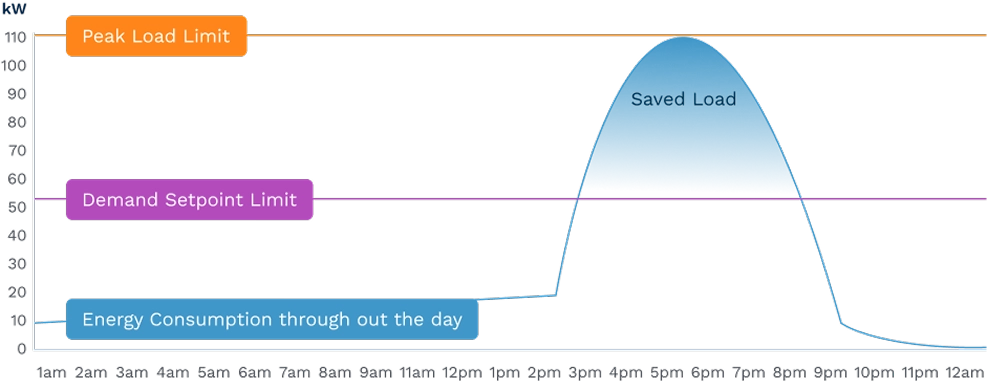
Graph showing energy consumption throughout the day with demand setpoint limit at 50 kW and peak load limit at 110 kW, highlighting saved load between 3pm and 7pm.

Smart Load Shaving

Reduce peak demand and prevent grid overloads.
Sets limits on energy use during high-demand periods.
Automatically delays non-essential consumption.
Keeps grid stable by distributing power efficiently.
Lowers electricity costs by managing peak loads.

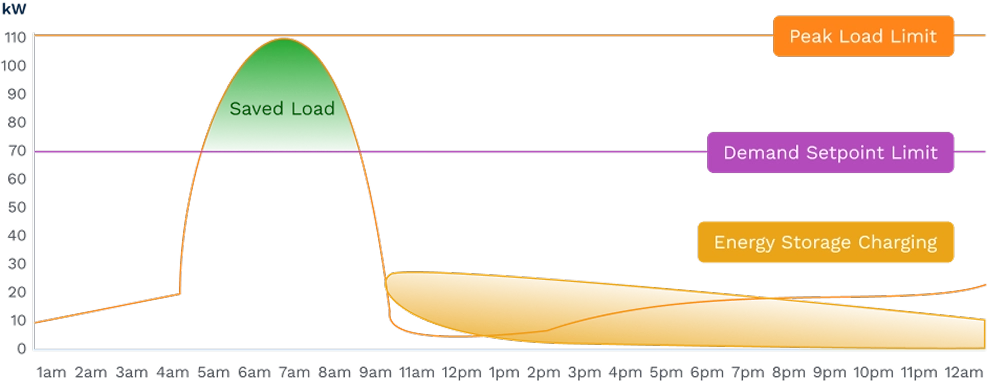
Intelligent Energy Storage

Optimize peak-time energy use with stored power.
Discharges stored energy when demand is high.
Charges batteries during off-peak hours for efficiency.
Uses predictive analytics to optimize energy flow.
Enhances grid reliability by reducing sudden surges.
Graph of energy load management showing saved load area under peak load limit (110 kW) and demand setpoint limit (70 kW), with energy storage charging visualized below demand setpoint throughout the day.
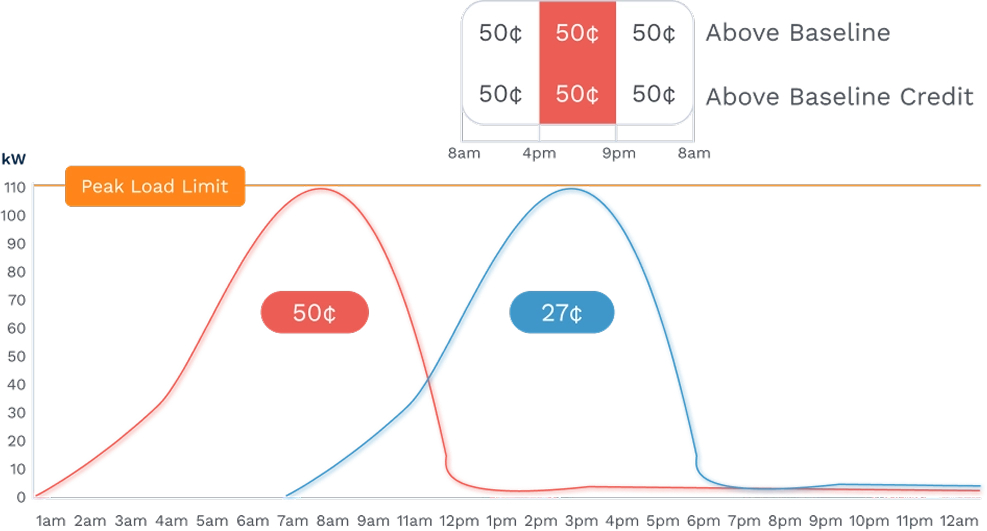
Graph showing peak load limit with red line peaking at 100 kW between 7am-10am at 50¢ rate and blue line peaking after 12pm at 27¢ rate, illustrating smart load shifting with baseline and above baseline credits.

Smart Load Shifting

Move energy usage to off-peak hours for cost savings.
Schedules EV charging when electricity rates are lowest.
Adjusts dynamically based on real-time grid demand.
Prevents excessive strain on infrastructure.
Saves costs by utilizing energy when demand is low.

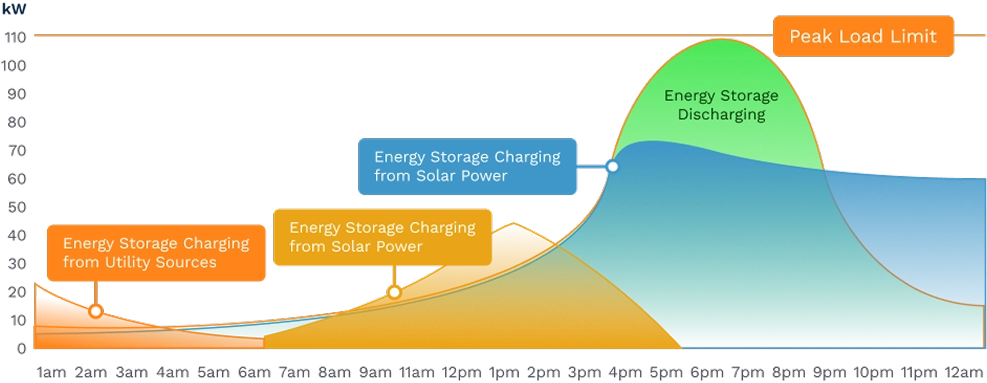
Dynamic Load Optimization

Enhance efficiency with flexible energy distribution.
Distributes energy intelligently across multiple sources.
Charges and discharges storage systems as needed.
Reduces reliance on expensive peak-hour electricity.
Ensures uninterrupted power for EV charging networks.
Graph illustrating dynamic load optimization showing energy storage charging from utility sources and solar power, and energy storage discharging during peak load limit times between 1am and 12am.

Beyond Charging: Grid Integration

Connect EV charging with the power grid, optimising energy flow and enhancing stability across fleet depots, utilities, and commercial sites

Smart Scheduling

Optimizes charging based on cost, grid demand, and readiness.
Adjusts charging by cost, demand, and vehicle readiness.
Prevents overload with smart energy balance.
Uses real-time data to prioritize off-peak charging.
Reduces energy costs while ensuring availability.

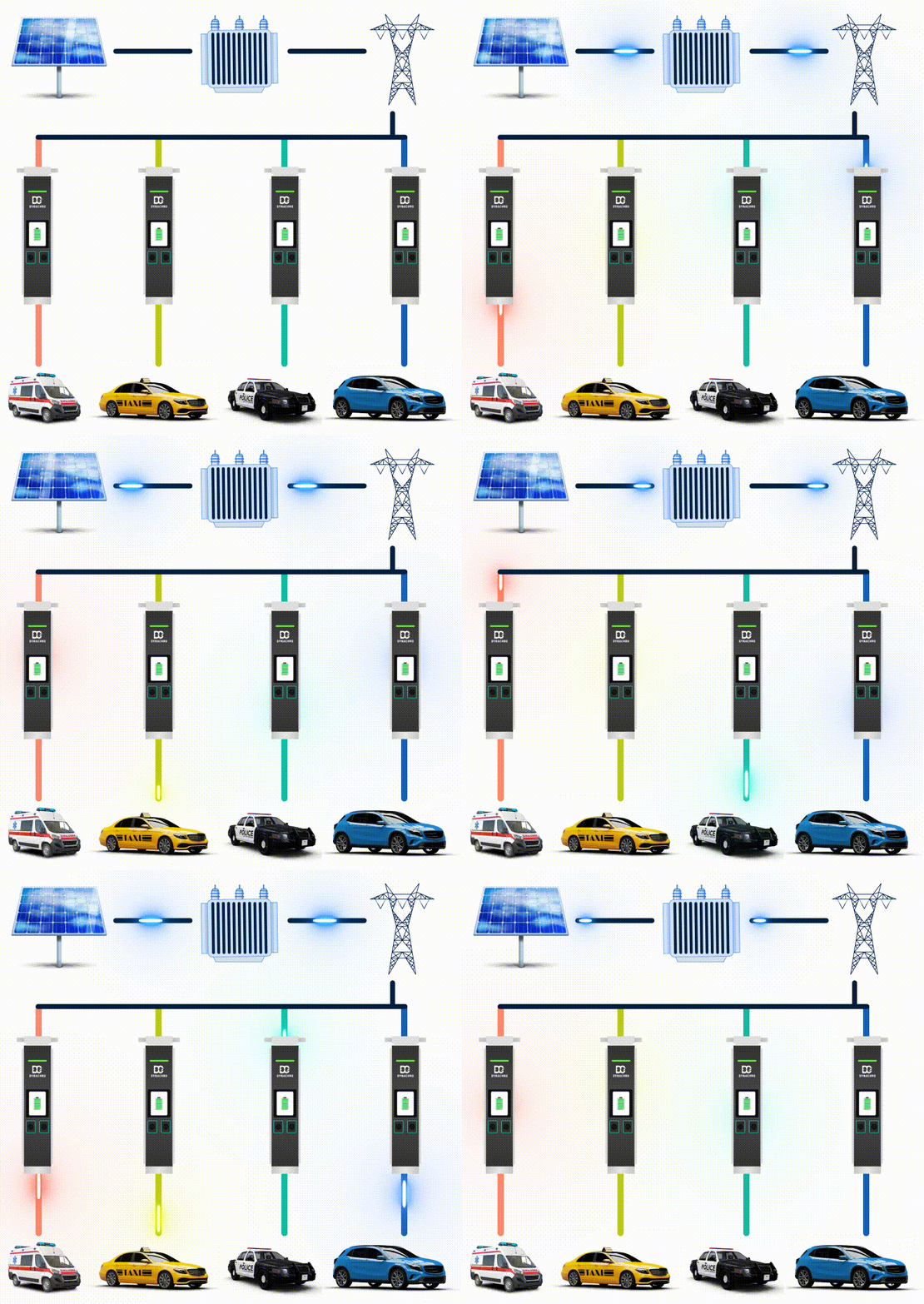
Dynamic Prioritization

Smartly allocates power based on battery level, vehicle type, and system load.
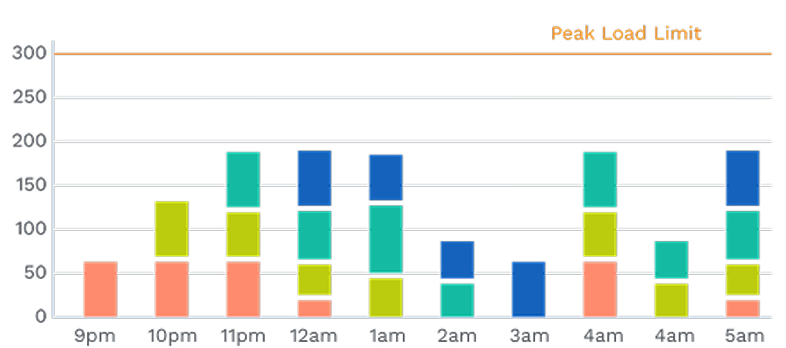
Prioritizes EVs by battery status, type, and station demand.
Ensures critical vehicles charge first during constraints.
Boosts efficiency and avoids over-allocation.
Increases reliability for fleet and public sites.
Diagram showing a DynaChrg EV charging network powered by solar panels and a utility grid connected through a transformer. Four DynaChrg charging stations distribute power via color-coded connections to four vehicles: an ambulance, a taxi, a police car, and a private SUV — illustrating smart charging across diverse fleet types.
Stacked bar chart showing fluctuating load values from 9pm to 5am with a constant peak load limit at 300 units.

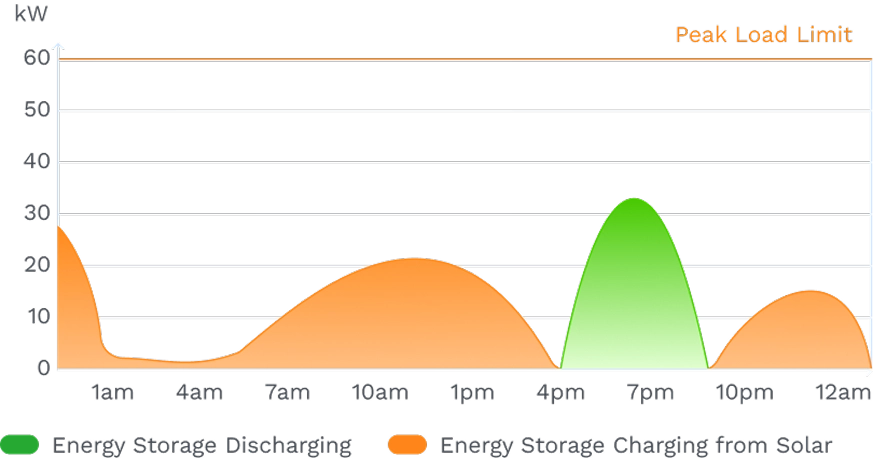
Integration with Distributed Energy Resources (DER)

Uses stored energy during peak periods to reduce grid strain and enhance sustainability.
Prioritizes EVs by battery status, type, & station demand.
Ensures critical vehicles charge first during constraints.
Boosts efficiency and avoids over-allocation.
Increases reliability for fleet and public sites.
Graph showing energy storage charging (orange) and discharging (green) in kW over a 24-hour period with a peak load limit at 50 kW.
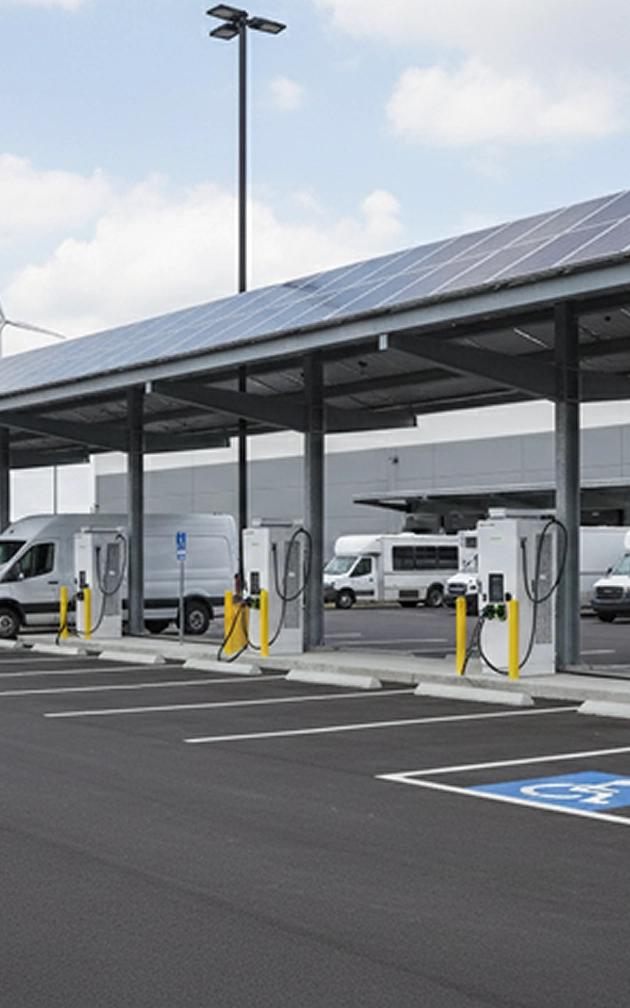
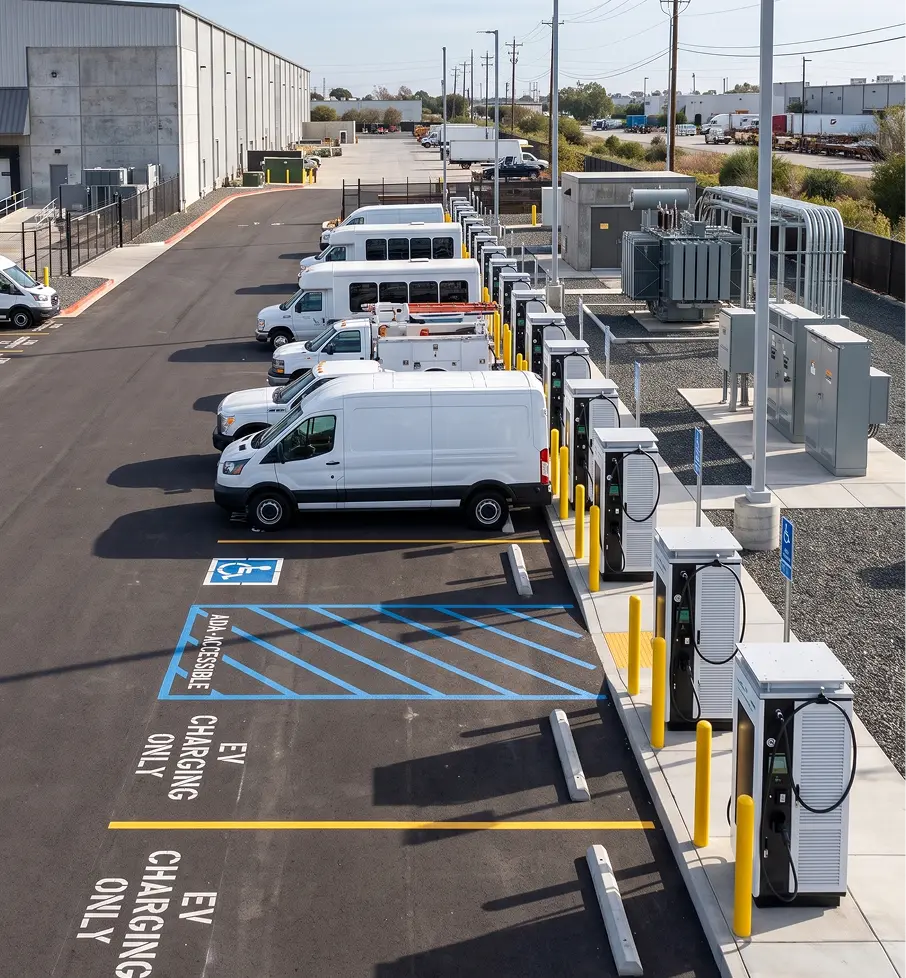
Electric vehicle charging station with solar panels overhead and several white vans parked nearby.

Technology That Works For You and the Future

At DynaChrg, we design technology that delivers measurable benefits - for property owners, fleet operators, utilities, and the environment. DDEC isn’t just about powering vehicles; it’s about optimizing energy, cutting costs, and building a cleaner, more resilient grid.

Cost-Efficient Charging

Optimize charging schedules and use stored energy to lower electricity costs.

Sustainable & Green

Integrate renewable energy, reducing fossil fuel dependency and emissions.

Convenient Charging

Dynamic scheduling prioritizes user needs while maximizing efficiency.

Grid-Ready Energy

Leverage distributed energy for a resilient, flexible, and sustainable grid.

Control Peak Demand, Lower Energy Costs.

Two coworkers with glasses discussing and pointing toward a computer screen in a bright office.