The Untapped Opportunity at Fleet Depots
Fleet depots are built for reliability. They’re designed with dedicated power, predictable charging schedules, and long-term operational needs in mind. But as EV adoption accelerates and public charging demand grows, especially along highways and major corridors, many fleet depots are sitting on a hidden opportunity.
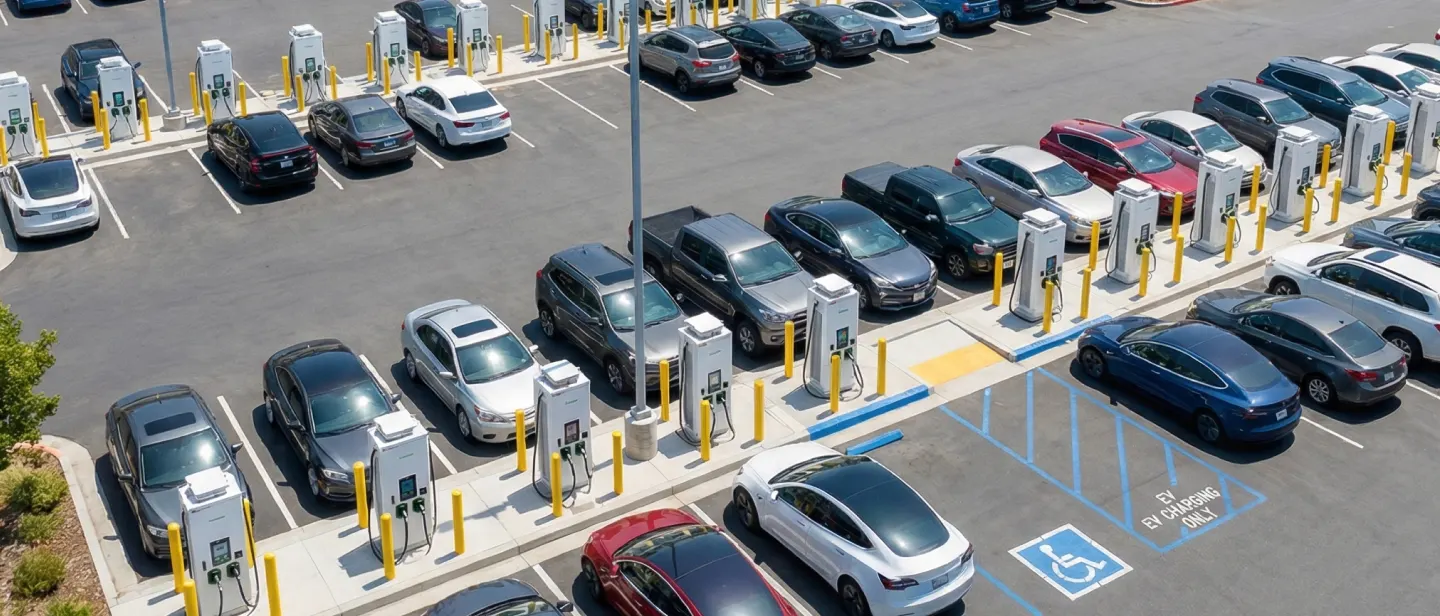
The reality is that most fleet charging infrastructure is heavily used only during specific windows, often overnight or during defined operational hours. Outside of those periods, chargers can sit idle for hours at a time. Meanwhile, drivers and utilities alike are calling for more fast, reliable public charging in areas where many depots already exist, often near key corridors, employment centers, and logistics routes.
With the right strategy, fleet depots don’t have to choose between private reliability and public access. They can do both.
Why Most Depot Charging is Underutilized
Fleet operations are structured and predictable by design:
- Vehicles typically return to base at known times
- Charging happens overnight or in defined blocks
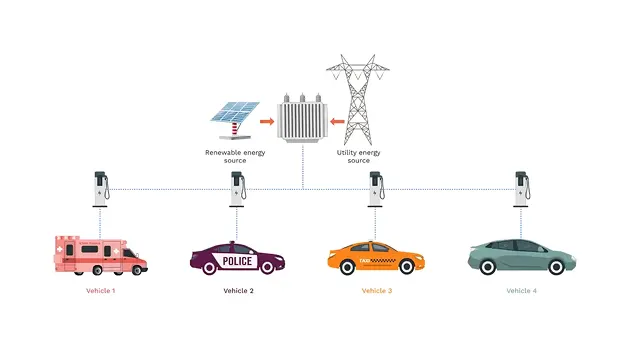
- Power capacity is planned for peak fleet demand, not continuous use
This means that during mid-day hours, weekends, or off-season periods, charging assets are often underused, even though infrastructure investment has already been made and electrical capacity is available.
At the same time, public charging demand is rising faster near:
- Interstates and highways
- Urban delivery corridors
- Logistics and industrial zones
Many fleet depots already sit near these locations. The challenge isn’t infrastructure, it’s how infrastructure is managed.
When It Makes Sense to Open a Depot to the Public
Not every fleet site should or can become a public charging location. But in the right conditions, opening a depot to controlled public charging can be a smart and profitable move.
Ideal candidates typically share a few traits:
- Proximity to high-traffic routes or underserved charging corridors
- Clearly defined fleet charging windows (e.g. overnight or early morning)
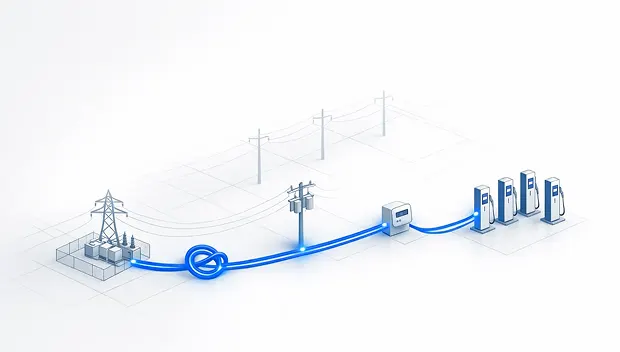
- Sufficient electrical capacity, paired with intelligent load controls
- Physical layouts that allow for separate or managed public access
This isn’t about turning a fleet depot into a 24/7 public charging plaza or a highway fast-charging stop. It’s about allowing limited, controlled public access during off hours using software and power controls to ensure fleet operations are never impacted.
How Managed Charging Makes Hybrid Models Possible
The biggest barrier to opening fleet sites to public charging isn’t demand, it’s risk. Uncontrolled usage can lead to demand charge spikes, operational conflicts, or power constraints that disrupt fleet readiness.That’s where managed charging becomes essential.
With intelligent energy management, fleets can:
- Set firm power caps to avoid unexpected demand charges
- Prioritize fleet vehicles automatically during critical windows
- Schedule public access only during approved timeframes
- Distribute power dynamically across chargers based on real-time load
Platforms like DynaChrg Gridify enable site-wide energy orchestration, while EVES load management ensures fleet vehicles always remain the top priority. Together, these systems allow depots to support limited public charging without compromising fleet readiness or increasing utility risk, provided they are configured and governed correctly.
The Business Case: Why Fleets Are Exploring Public Access
When managed correctly, hybrid depot charging models can unlock meaningful benefits.
For Fleet Operators
- Incremental revenue and cost-offset opportunities from otherwise idle infrastructure
- Improved ROI and asset utilization from existing charging investments
- No operational disruption thanks to automated prioritization
- Greater flexibility as fleets scale and electrification grows
For Site Hosts and Utilities
- Expanded public charging without new greenfield development
- Better utilization of existing electrical capacity
- Reduced grid strain through managed load profiles
Instead of building entirely new public charging sites, fleets can help fill critical gaps while maintaining full control over how and when their assets are used.
Managing the Risks (and How to Avoid Common Pitfalls)
Opening a depot to public charging does introduce complexity, but none of it is unmanageable with the right approach.
Demand charges:
Mitigated through hard power caps and dynamic load balancing that prevent short spikes from driving long-term cost increases.
Operational conflicts:
Solved through scheduling rules that automatically prioritize fleet vehicles when they plug in.
Security and access:
Addressed through controlled entry points, software-based permissions, and site layouts that separate public access from fleet operations.
Utility and Regulatory Alignment:
Addressed upfront by reviewing utility tariffs, interconnection agreements, and site host policies to confirm that limited public access is permitted before activation.
The key is planning for public access from the start, not retrofitting it later.
A Smarter Way Forward for Fleet Charging
Fleet depots don’t need to stay separate from the growing demand for public charging. With the right controls in place, they can support public drivers during off-hours while continuing to meet fleet needs—helping fill charging gaps and make better use of existing infrastructure.
The most effective charging strategies today aren’t defined as strictly “public” or “private.” They focus on flexibility, smart utilization, and intelligent energy management that adapts to how sites are actually used.
Explore What’s Possible
Curious whether your depot could support a hybrid fleet-plus-public charging model?
Assess Whether Your Depot Can Support Limited Public Charging