Electric vehicle adoption is accelerating and properties without charging stations risk being left behind. But preparing a site for EV charging isn’t just about installing equipment, it’s about planning for infrastructure, permits, and utility timelines. This guide walks property owners and site hosts through the steps to get EV ready, so you can attract more tenants, customers, or drivers while staying ahead of sustainability requirements.
Conduct an Initial Site Assessment
Before diving into permits or equipment, start with a clear understanding of your site’s readiness. A professional walkthrough will help you evaluate:
- Space & Assessment: Is there enough room for vehicles to park,charge, and turn safely?
- Electrical Infrastructure: Do you have the power capacity on site, or will upgrades be needed?
- Driver Experience: Are chargers conveniently located, well-lit, and easy to access?
Schedule a DynaChrg site walkthrough to get a detailed assessment from our experts!
Review Permitting & Zoning Requirements
EV charging stations often require local permits or zoning approvals. Regulations vary by city and county, so early coordination is essential. Common considerations include:
- Parking lot re-striping or accessibility requirements
- Fire and safety codes
- Local sustainability or green-building ordinances
Pro Tip: Start this process early as permitting delays are one of the most common reasons projects stall.
Coordinate With Utilities
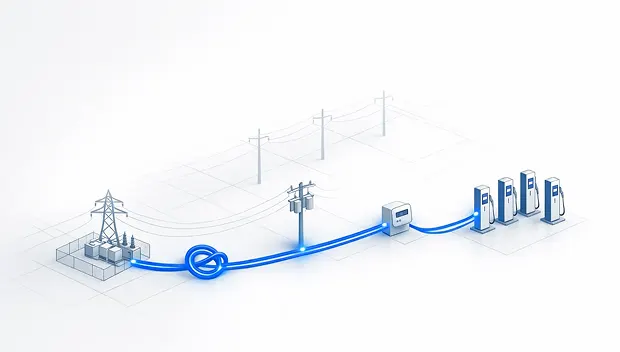
Your local utility will play a central role in making your site EV-ready. Timelines can stretch from weeks to months, depending on:
- Grid capacity in your area
- The need for new transformers or service upgrades
- Demand chargers and rate structures
At DynaChrg, we work directly with utilities to streamline this process, ensuring your project stays on schedule. Check out more here.
Choose the Right Charger Type
Not all chargers are created equal. The choice between AC (Level 2) and DC Fast Charging depends on your site goals:
- AC / Level 2: Lower cost, suitable for workplaces, apartments, and destinations where drivers park for multiple hours.
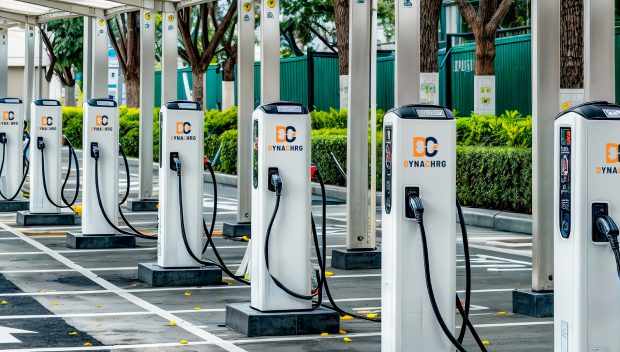
- DC Fast Charging: High power, best for retail, fleets, or highway-adjacent properties where drivers need a quick turnaround.
Explore our hardware solutions to see which option fits your site.
Understand Costs & Incentives
The good news? Incentives and rebates can significantly reduce project costs. Typical expenses include:
- Hardware & installation
- Electrical upgrades
- Ongoing operations and maintenance
Check federal, state, and utility programs in your area, as many cover 30-70% of upfront costs.
Common Mistakes to Avoid
- Waiting too long to engage utilities
- Underestimating electrical needs
- Skipping accessibility and ADA compliance
- Choosing the wrong charger type for your audience
By avoiding these pitfalls, you’ll save time, money, and frustration during installation.
Getting your property EV-ready doesn’t have to be overwhelming. With the right partner, you can move confidently from assessment to installation while maximizing incentives and minimizing delays.